
Pool Compliance · 6 min read
Selling or leasing? What a pool compliance certificate involves
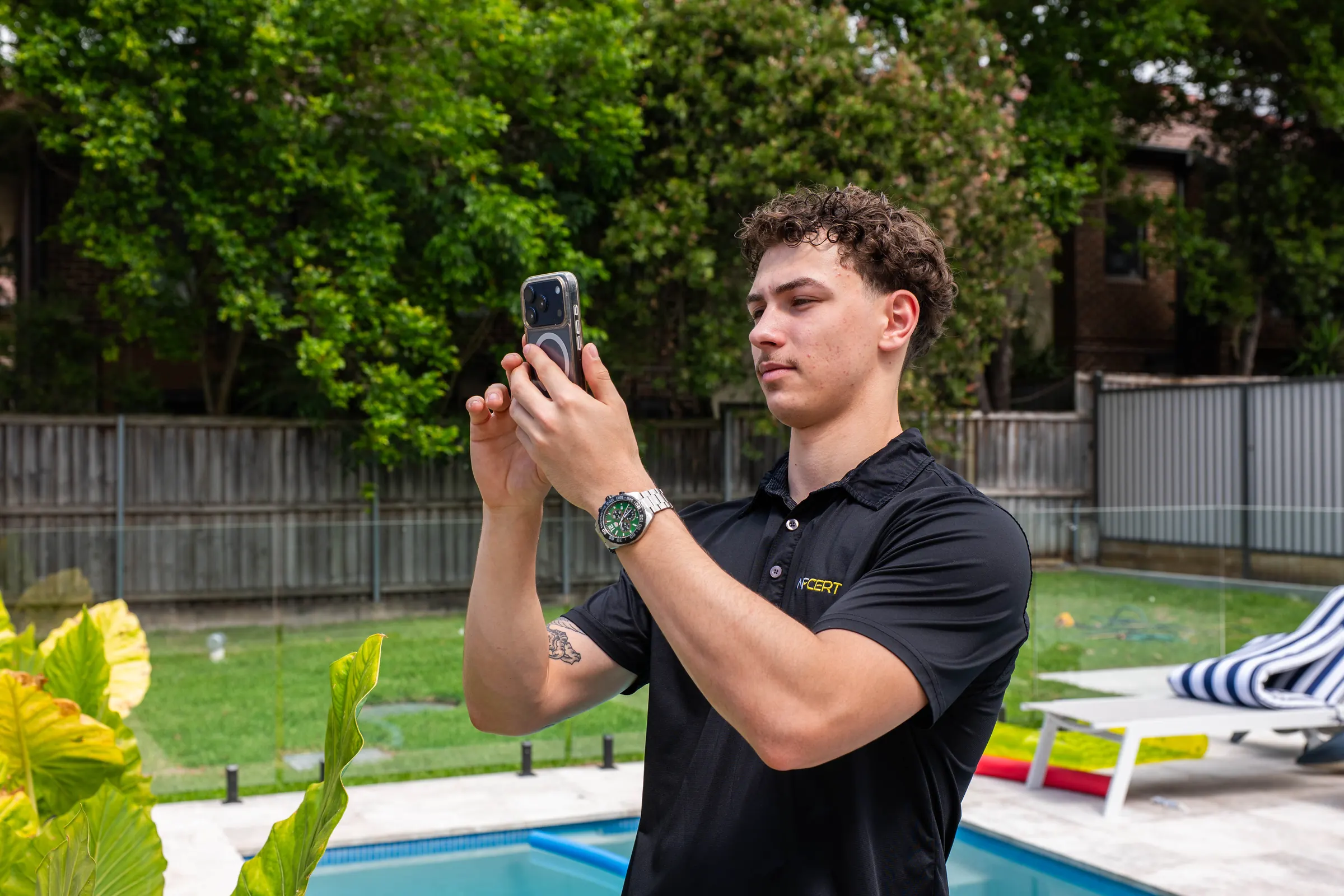
If a property has a swimming pool or spa, NSW law requires paperwork about the pool barrier before the property can be sold or leased. A little planning avoids a last-minute rush before the contract or the lease is signed.
If you are selling
For a sale covered by the rules, the contract must include one of the following:
- A valid certificate of compliance
- A relevant occupation certificate, together with evidence that the pool is registered. The occupation certificate must be less than three years old and authorise use of the pool
- A valid certificate of non-compliance
NSW Government guidance is to keep a copy of the pool’s registration certificate with the contract in every case. Your conveyancer can confirm the right attachments.
If the property sells with a certificate of non-compliance, the buyer has 90 days from settlement to fix the listed defects and obtain a certificate of compliance, unless the certificate says the pool is a significant risk to public safety. A significant risk needs to be dealt with straight away.
The sale rule does not apply to off-the-plan contracts, or to a lot in a strata or community scheme with more than two lots.
If you are leasing
For a residential tenancy covered by the rules, the tenant must be given a valid certificate of compliance, or a relevant occupation certificate, when the tenancy agreement is entered into. A certificate of non-compliance cannot be used to lease. The same exception applies to a lot in a strata or community scheme with more than two lots. Owners still have to keep the pool barrier safe and compliant at all times.
Certifier’s note
The pool must be on the NSW Swimming Pool Register before a certificate can be issued. If yours isn’t registered yet, get in touch and we can do it for you.
What the inspection covers
The inspector checks the pool barrier against the Swimming Pools Act and the Australian Standard that applies to your pool, which depends on when the pool was built and its history. As a general guide, that includes:
- Fence height and gaps
- Gates that self-close and self-latch from any position
- Climbable objects near the fence, such as pot plants, furniture and trees
- Doors and windows that open into the pool area
- A CPR sign that meets the requirements
Some spas can be secured with a lockable child-resistant cover instead of a fence.
How long a certificate lasts
A certificate of compliance is valid for three years from the date it is issued. It can end earlier if the council issues a direction about the pool, so the barrier needs to stay compliant the whole time. If you are planning to sell or lease, book the inspection early so there is time to fix any defects and have the pool re-inspected.