
Inspections · 6 min read
Critical stage inspections for NSW houses, additions, garages and pools
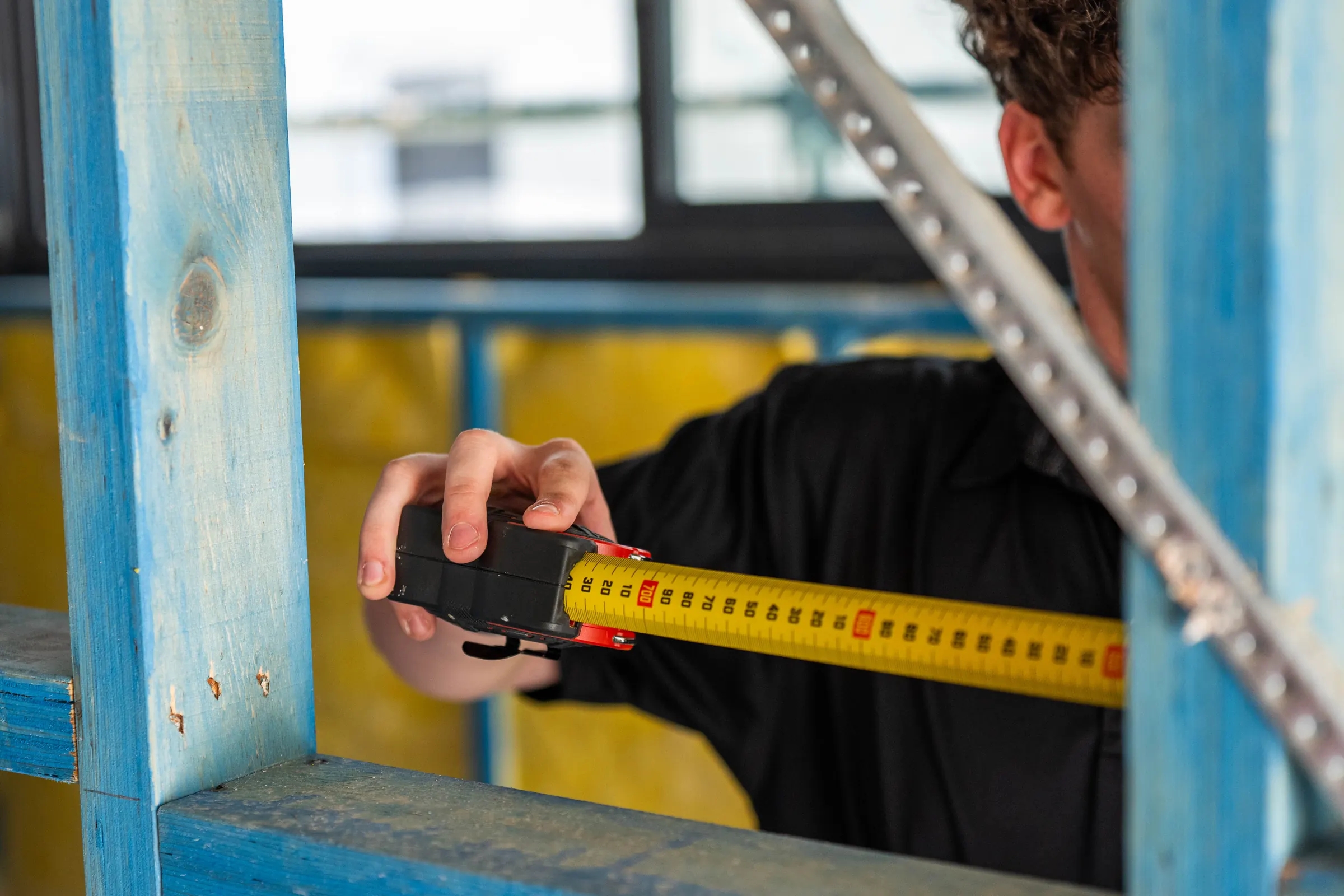
Critical stage inspections are mandatory checks at set points in a build. Each one happens before the work is covered up, because once concrete is poured or linings go on, nobody can see what is underneath.
Who carries them out
Your principal certifier is responsible for making sure the inspections happen. Another registered certifier can carry out an inspection by agreement with the principal certifier, but the final inspection must be done by the principal certifier.
The inspections for houses, additions, garages and pools
For Class 1 and 10 buildings, the NSW regulation sets these stages, where they apply to the work:
- After excavation for footings, before any footings are placed
- Before any in-situ reinforced concrete is poured, such as slabs, piers and beams
- Before the framing for floors, walls, the roof or other building elements is covered
- Before waterproofing in wet areas is covered
- Before stormwater drainage connections are covered
- For swimming pools that need a barrier, as soon as practicable after the barrier is built
- After the work is finished, before the Occupation Certificate is issued
Apartment and commercial buildings have their own list. Rely on the inspection schedule your principal certifier gives you before work starts. It sets out the inspections for your project.
Certifier’s note
Waterproofing is an easy stage to miss. If the tiler arrives before the inspection, the membrane is covered and can no longer be seen. Book the inspection before you book the tiler.
If a stage is missed
If work has been covered before it was inspected, contact your principal certifier straight away. Opening up the work, photos or an engineer’s report may help show what was built, but they do not automatically fix a missed inspection. The principal certifier has to be satisfied that missing it was unavoidable and that the work is satisfactory, and must make a formal record. The final inspection can never be skipped. If the requirements cannot be met, an Occupation Certificate may not be able to be issued.
How to keep inspections on track
- Give at least 48 hours’ notice for each inspection. The builder or owner-builder is required to do this
- Have the approved stamped plans on site
- Have engineer’s certificates ready for footings, slabs and steel where they are required
- Make sure there is safe access and someone on site who knows the job
- Do not cover the work until you have the written inspection result